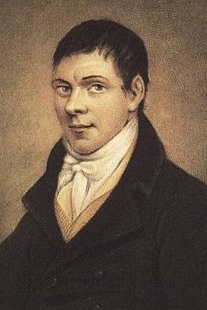
Michael Dwyer (The Wicklow Chief and 1798 Rebellion Leader) Bus Tour Sun 24Th Aug 2025. Commemorating 200 years since the death in Australia of Michael Dwyer in 1825. Born in 1772 to John and Mary Dwyer at Camara West Wicklow.
Bus tour commenced at Drumgoff Barracks, taking in Glenmalure, Baravore, Glen of Imaal, Dywer’s Cottage Derrynamuck, along the Military Road as well as pass by Aghavannagh Barracks and included the villages of Dunlavin and Rathdangan. A special re-enactment of Dwyer’s escape at Derrynamuck by the The Lord Edwards Own Re-enactment Group.
In 1797 Dwyer joined the United Irishmen. He fought against the British with the Talbotstown rebel group in the 1798 Rebellion. Dwyer continued fighting under General Joseph Holt and when Holt surrendered, he continued to be a rebel for four more years in the Wicklow mountains. Drumgoff Barracks and Aghavannagh Barracks were built along the Military Road to help capture Michael Dwyer.
In 1799 Dwyer and his men were sheltering from a snow storm in a small cottage in Dernamuck. A force of 100 soldiers surrounded the cottage and set it alight. Samuel McAllister sacrificed his life by taking the shots and this allowed Dwyer to escape. The cottage at Dernamuck was restored between 1946 and 1948 and has since been renovated by the Office of Public Works.
Rathdangan Hall was a Church in 1798. Michael Dwyer attended mass there that was attacked by Yoemen but escaped. He hid under a woman’s dress who appeared to be sitting on a stool while other men ran up the hill as a distraction tactic. Must visit Kilmore church nearby to see Harry Clarke windows. In Dunlavin a large number of rebels were incarcerated under guard with other, civilian, suspects in the Market House. On the first day of the rebellion 36 prisoners who had played no part in the rebellion were shot on the village green.
In 1803 Dwyer surrendered at Three Bridges near Rathdangan to William Hoare Hume MP. He was held in Kilmainham Gaol and in 1805 deported to New South Wales, Australia along with his wife and given 100 acres. In 1825 he was declared bankrupt and put in Sydney’s Debtor jail where his life ended when he got dysentery. He and his wife, Mary Doyle are buried in Waverley Cemetery in Sydney. Michael Dwyer’s gun is now in a Museum in Waverly Australia. Michael Dwyer’s Irish born older children – Mary Anne, John, Peter and Esther remained behind in Ireland. His younger children James, Brigid and Eliza were born in Australia.


 Cloud Surfman Travel